Technology Meets Tradition: The Evolution of Excavation in Land Management Feb 16, 2026
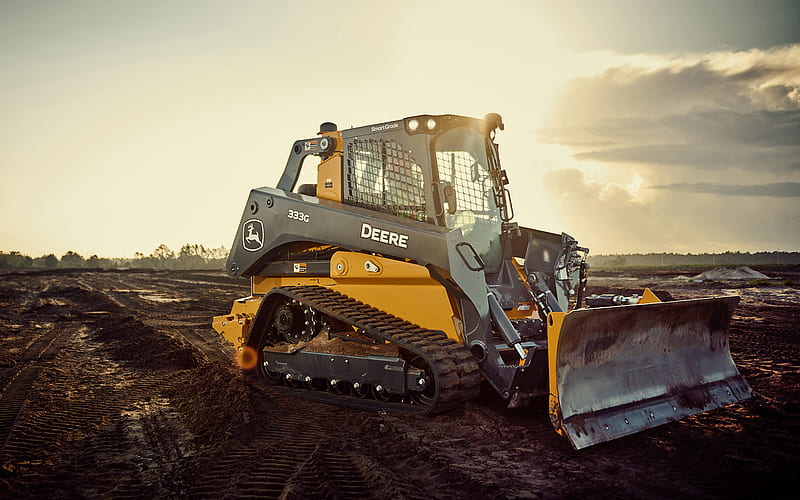
Traditionally, excavation was a labor-intensive process requiring a great deal of manual effort and expertise. Heavy machinery, such as bulldozers and backhoes, formed the backbone of the excavation industry for decades. These machines are still in use today but are now equipped with state-of-the-art technology that makes them more efficient and precise. For instance, the incorporation of GPS technology has dramatically improved the accuracy of excavation projects. This allows for meticulous planning and execution, reducing the risk of human error and ensuring the optimal use of resources.
Cutting Edge Land Solutions is at the forefront of this technological shift. One of the most significant advancements in the industry is the use of 3D modeling and simulation software. These technologies allow a company to map out the terrain before any physical excavation begins, identifying potential challenges and creating a more efficient workflow. This proactive approach not only saves time but also minimizes environmental impact — a crucial consideration in today’s eco-conscious landscape.
Drones, another modern marvel, have become indispensable in the excavation process. Offering a bird’s-eye view, drones can quickly survey large expanses of land, capturing high-resolution images and data. This information is invaluable, providing insights that help tailor excavation strategies to the unique contours and characteristics of each site. For Cutting Edge Land Solutions, this means offering clients more accurate timelines and cost estimates, with fewer surprises along the way.
Despite these technological advancements, the value of human expertise in excavation cannot be overstated. No machine can replicate the intuition and experience that skilled professionals bring to the table. At Cutting Edge Land Solutions, the team leverages technology as a tool, not a replacement for human judgment. This balance ensures that while machines can handle the heavy lifting, strategic decision-making remains firmly in human hands. As an excavation company, this dual approach means maintaining high standards of safety and precision, crucial elements in any successful land project.
The integration of technology into traditional excavation methods represents a paradigm shift, one that is reshaping land management as we know it. By embracing this evolution, companies can not only improve their operational efficiencies but also contribute to sustainable development goals. The result is a win-win for businesses, clients, and the environment alike.
In conclusion, the evolution of excavation in land management is a testament to what happens when tradition meets technology. Companies like Cutting Edge Land Solutions demonstrate that by embracing innovation while respecting foundational practices, the excavation industry can continue to move forward, setting new standards in efficiency and sustainability. As this blend of technology and tradition continues to evolve, the potential for positively impacting land management on a global scale grows ever greater, paving the way for future advancements that promise to build on this solid foundation.
/filters:no_upscale()/filters:format(webp)/media/883364fa-cb88-4f1a-9119-a1bc81a100e3.webp)
/filters:no_upscale()/filters:format(webp)/media/73f58198-66a2-47dd-8797-03da00a3dead.jpeg)